About Conventional MCP
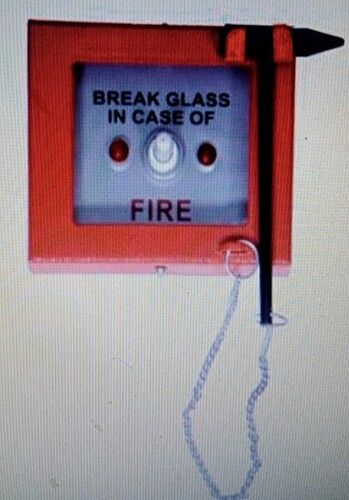
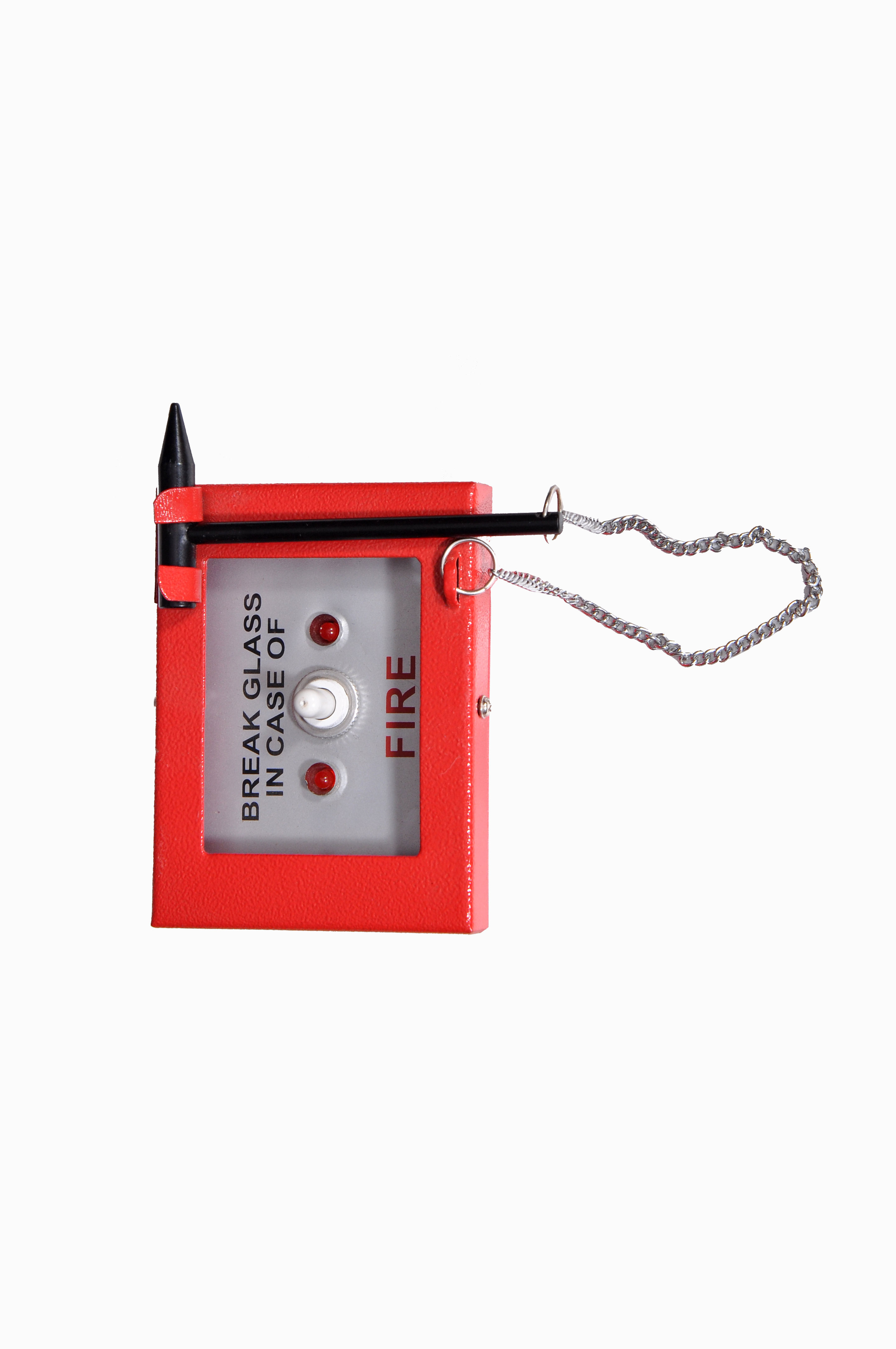
MCP is a call point designed to provide a manual alarm interface to any conventional fire alarm control panel. MCPs are made of MS sheet as per the IS standards. There is a transparent glass protecting the MCP from the front side. A small MS powder coated hammer is attached with the MCP This is used to break the front glass to generate alarm in the system. All the MCP comes with a factory fitted back box for Surface or Semi finish mounting on the wall.
Features:
Compatibility with any conventional fire Alarm System
Wall mount facility
Suitable for malls, restaurant, residential etc.
Duel LED on front
Steady RED LED at fire condition
Operation:
To operate the MCP, break the front glass with attached hammer. Steady glow of Red LED will indicate the activation of MCP. TO reset the MCP open the front cover & change the glass.
Robust Fire Protection for Every EnvironmentEngineered with a fire retardant ABS enclosure, this MCP offers superior resilience and reliability in both commercial and industrial settings. Operating efficiently within a broad temperature and humidity range, it serves as a vital component in comprehensive fire alarm systems, ensuring operational safety even in challenging conditions.
Advanced Detection and Quick ResponseFeaturing a sensitive optical/photoelectric sensor, the MCP delivers rapid fire detection with an alarm startup time of 2 seconds and consistent alarm signaling. LED and buzzer indicators enhance visibility and audibility, while its 30 meter detection range maximizes area coverage, safeguarding expansive premises effectively.
Easy Installation and Versatile IntegrationDesigned for wall mounting, this MCP is compact and lightweight, making installation straightforward. It is compatible with standard conventional fire alarm systems commonly used across India, and offers remote control functionality, NO/NC relay output, and shielded cable connectivity, suiting diverse project requirements.
FAQ's of Conventional MCP:
Q: How is the Conventional MCP with NO/NC relay output installed and connected to a fire alarm system?
A: The MCP is designed for wall mounting and connects via a shielded twisted pair cable to your conventional fire alarm system. It supports both normally open (NO) and normally closed (NC) relay outputs, allowing flexibility in how it is integrated depending on your specific alarm panel configuration.
Q: What benefits does the optical/photoelectric sensor offer in commercial or industrial environments?
A: The high-sensitivity optical/photoelectric sensor ensures quick fire detection within a 30-meter range, providing early warning even in large or busy areas. This rapid detection allows occupants more time to respond, maximizing safety and minimizing potential damage.
Q: When should the MCP be activated during an emergency?
A: The MCP should be activated immediately upon detecting a fire or smoke, especially if automatic detectors have not triggered. Pressing the call point will initiate an alarm within 2 seconds, alerting building occupants through LED and buzzer indications and notifying the connected fire alarm system.
Q: Where is this MCP most suitable for installation?
A: This MCP is ideal for commercial and industrial premises-including offices, factories, warehouses, and multi-story buildings-across India. Its robust, fire-retardant ABS material and high humidity tolerance make it suitable for varied environments.
Q: What is the process for using the remote control feature with this MCP?
A: The remote control feature allows authorized personnel to activate or reset the MCP from a distance, streamlining fire safety management. It can be managed within a control distance of up to 1 kilometer, suitable for large installations where direct access may be limited.
Q: How does the LED and buzzer indication benefit users during an emergency?
A: The bright red LED provides clear visual status, while the buzzer emits a distinct sound ( 50dB), ensuring the alarm is easily noticed. These indications assist in prompt evacuation and facilitate rapid identification of the activated call point during an emergency.





 Send Inquiry


 Send Inquiry


